A contractor account sets one flat rate per size across every job, so pricing stays identical whether the roll-off lands in Crescent Hill or Okolona. The five sizes are the 10-yard at $595, the 15-yard at $650, the…
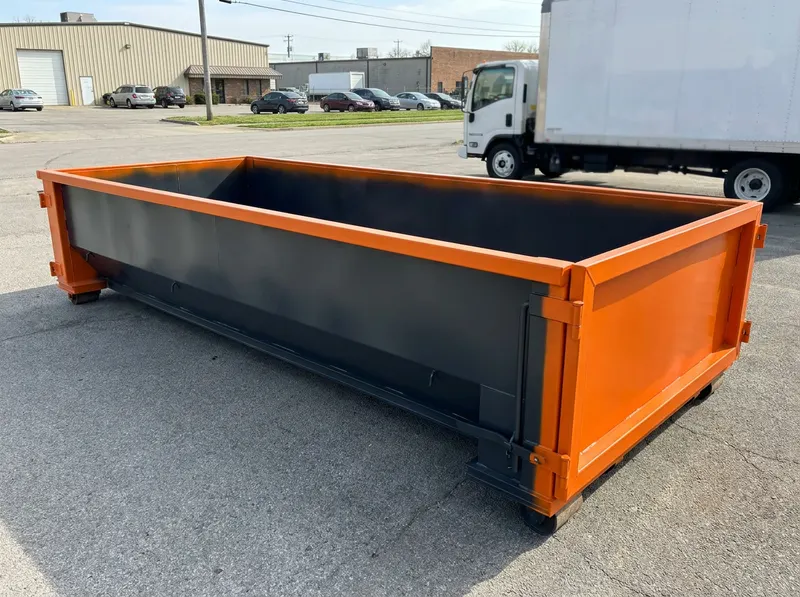
A contractor account sets one flat rate per size across every job, so pricing stays identical whether the roll-off lands in Crescent Hill or Okolona. The five sizes are the 10-yard at $595, the 15-yard at $650, the 20-yard at $695, the 30-yard at $795, and the 40-yard at $895. Each price is all-in: no hidden tonnage charge, no fuel fee, no weight-overage invoice after pickup.
A roofer re-shingling a steep Germantown bungalow and a GC gutting a St. Matthews ranch both see the same number before the first nail comes out.
Size selection drives the whole decision. A 10-yard holds roughly four pickup loads and fits a single-bath remodel or a small tear-off; a 20-yard handles a full kitchen gut or a mid-size roof; a 30-yard suits whole-house cleanouts and framing debris; the 40-yard takes large commercial demo and new-construction volume.
The trade-off is footprint versus capacity, a 40-yard needs real staging room and a graded surface, while a 10-yard tucks onto a tight Clifton driveway or a narrow Portland lot. For a repeat crew, matching the size to the job matters more than the per-unit price, because an oversized box on a small site wastes staging space and an undersized box means a second haul.
Construction debris is heavy, so weight planning matters: mixed demo, concrete, and asphalt shingles add up fast, and the EPA's construction and demolition materials program notes that C&D debris is one of the largest waste streams in the country. Flat pricing removes the guesswork that per-ton billing creates on those loads.
Keeping loads below the fill line and legal for transport matters too, overloaded roll-offs are a transport and OSHA jobsite safety concern, and distributing weight evenly keeps a loaded container legal on the road. Certain materials stay out of the box: tires, wet paint, and anything classified as household hazardous waste or commercial hazardous waste are handled separately, and Earth911 and the Kentucky Division of Waste Management list local routing for those streams.
Setting up an account runs in a short sequence. Step 1: call (502) 233-5741 and name the job types and sizes a crew runs most.
Step 2: confirm the flat rate per size for the account. Step 3: schedule the first drop at the active site, from a Fern Creek rebuild to a Pleasure Ridge Park cleanout. Step 4: text a photo of the placement spot so the driver stages the box without scraping the surface.
Step 5: call for swap-outs or pickups as the job moves. For sites in the public right-of-way, common on tight streets near the Bardstown Road corridor or University of Louisville rentals, a Louisville Metro right-of-way permit may be required, and the Louisville Metro Public Works office handles that; placement fully on private property generally does not. A dumpster rental is not junk removal, the crew loads the container and Trailblazer Dumpster Rental hauls it; labor to fill the box is on the job site.
Every job gets a firm, written price after an on-site visit.
Tell us about your contractor & commercial accounts job in Louisville and we'll send a clear, written quote, usually the same day.
 Trailblazer Dumpster Rental